Selecting the Ideal Bed Bug Exterminator: What You Ought to Understand
Finding the appropriate bed bug exterminator is vital for successful pest control. Several factors impact the selection process, including qualifications and treatment techniques. Knowing the signs of an infestation is the starting point. Nevertheless, not every exterminator is equal. Identifying the important qualities that separate a competent professional can make a notable difference. What should one consider when hiring the best expert for this complex task?
Evidence of a Bed Bug Infestation
Spotting the signs of a bed bug infestation is essential for swift management. These intruders are noticeably elusive, making early detection indispensable. Common indicators include tiny blood-colored marks on bed linens or mattresses, which are often the aftermath of crushed bugs. Additionally, black traces of excrement may be found on surfaces where bed bugs hide, such as seams of mattresses, bed frames, and furniture.
Another obvious sign is the presence of shed exoskeletons, as bed bugs shed skins multiple times during their life cycle. Individuals may also experience unknown bites, typically appearing in sets or lines on exposed skin. These bites can cause discomfort and irritation, leading to further inquiry. Generally, recognizing these signs can help residents take immediate action, reducing the chance of a larger infestation and ensuring a more effective response. Understanding of these symptoms is the first step in managing bed bug concerns effectively.
Why You Require a Skilled Exterminator
When managing a bed bug infestation, enlisting a qualified pest control professional is essential for successful outcome. Their expertise in pest management guarantees a complete comprehension of the difficulty and the most suitable treatment methods. Additionally, professionals apply safe treatment solutions that minimize risks to both dwellers and the environment.
Mastery In Pest Control
A knowledgeable pest control specialist provides invaluable expertise in handling bed bug infestations. They are prepared with understanding about bed bug behavior, life cycles, and proven eradication techniques. Professionals are adept at spotting signs of infestations often missed by those without training. They also utilize specialized tools and treatments that general consumers cannot access, guaranteeing a detailed approach. Additionally, expert exterminators can assess the extent of the infestation and recommend tailored strategies, minimizing the risk of recurrence. Through their expertise, homeowners can reduce time spent, ease stress, and reach long-term success, making professional exterminators key allies in combating bed bugs.
Protected Treatment Strategies
Ensuring safety during pest control procedures is crucial, and expert pest control specialists are trained to implement safe and efficient techniques. They employ Integrated Pest Management (IPM) strategies, which concentrate on reducing hazards to humans and pets while effectively eradicating infestations. Professional exterminators have access to cutting-edge equipment and solutions that are not available to the general public, allowing for targeted applications that reduce chemical exposure. Additionally, they are well-versed in the life cycle of bed bugs, ensuring that treatments are timed and executed properly for maximum efficiency. By relying on professionals, homeowners can avoid the dangers associated with DIY methods, which may lead to incomplete eradication or harmful chemical exposure. Safe treatment solutions ultimately deliver peace of mind and a pest-free environment.
Important Aspects of a Trustworthy Bed Bug Exterminator
Selecting a competent bed bug exterminator copyrights on various important factors that contribute to successful pest control. First, a in-depth comprehension of bed bug biology and behavior is critical, making it possible for the exterminator to appraise infestations reliably and develop targeted treatment plans. Practical knowledge in the field is another indispensable quality; accomplished professionals are typically familiar with assorted treatment methods and can adapt to unique situations.
Moreover, a focus to using risk-free and earth-friendly techniques exemplifies responsibility and dedication for clients’ well-being. Strong communication skills are important as well, allowing the exterminator to communicate procedures accurately and address client concerns successfully. Finally, a reputable exterminator should have positive reviews and testimonials, reflecting their reliability and effectiveness. Collectively, these qualities guarantee that the exterminator can manage bed bug infestations efficiently, providing peace of mind to homeowners faced with this challenging pest problem.
Critical Questions to Mention to Your Pest Elimination Professional?
What essential inquiries should property owners ask to their exterminator when addressing a bed bug infestation? First, ask about the company's expertise particularly with bed bugs. Comprehending their history can provide assurance in their abilities. Next, homeowners should ask about the methods they plan to use for pest control, ensuring they are safe for both people and pets. It is also vital to discuss the duration of the treatment process and what property owners can anticipate at each phase. Homeowners should ask for details about follow-up visits and warranties to confirm complete eradication. Additionally, asking about any necessary arrangements before treatment can help streamline the process. Finally, homeowners should clarify the total cost and any potential extra fees. By addressing these questions, homeowners can reach well-informed choices and select an pest control specialist who fulfills their particular requirements for effectively addressing bed bug infestations.
Best Bed Bug Treatment Methods
Multiple effective bed bug control options are available, each addressing different infestation levels and homeowner choices. Heat treatment is a widely-used option, requiring increasing the heat of infested areas to a lethal level for bed bugs, guaranteeing complete eradication without chemical contact. Chemical treatments, such as insecticides, can also be successful, often requiring multiple applications to achieve desired results.
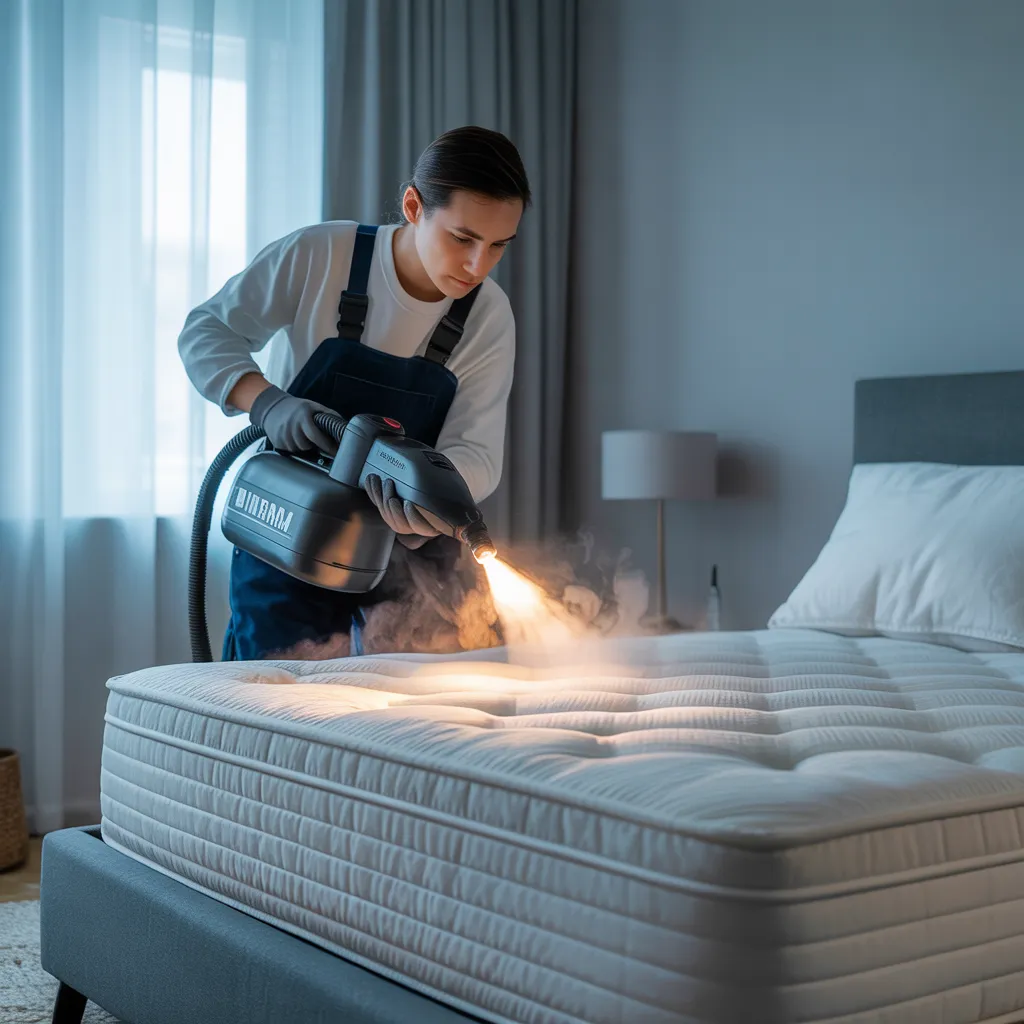
An alternative method is suction cleaning, which can be applied informative guide to physically remove bed bugs from mattresses, carpets, and crevices. Complementing this with steam cleaning can boost effectiveness, as high temperatures kill bugs and their eggs on contact.
Some residents think about diatomaceous earth, an natural powder that dehydrates bed bugs upon contact. Integrated pest management integrates various strategies for a complete solution, emphasizing prevention and observation. Choosing the right method relies on the extent of the infestation and individual choices regarding chemicals and environmental concerns.
Grasping Bedbug Extermination Expenses
Recognizing the expenses related to bed bug removal requires several important factors. These include the specific treatment methods used, the regularity of required services, and the severity of the pest problem. By examining these components, people can more effectively predict their financial commitment to effective pest management.
Factors Impacting Cost
Determining the cost of bed bug extermination entails many important factors that can greatly influence the final price. The degree of the infestation is vital; more extensive or severe problems generally require more thorough treatment. The size of the region requiring treatment also plays an significant role, as larger areas will carry greater costs. Geographic region can shape pricing, with urban centers often having higher pricing due to stronger demand. Additionally, the type of treatment methods used—such as heat treatment versus chemical solutions—can vary in expense. Ultimately, the background and standing of the exterminator can also shape the expense, as more reputable professionals may charge higher pricing for their offerings.
Treatment Approaches Assessment
The choice of treatment method largely impacts the overall cost of bed bug extermination. Common approaches include chemical treatments, heat treatments, and fumigation. Chemical treatments are often less costly but may need multiple applications, raising long-term expenses. Heat treatments, while typically more costly initially, can successfully eliminate all life stages in one session, possibly reducing follow-up costs. Fumigation is the most thorough method but has the highest cost, as it demands vacating the premises and the use of specialized equipment. The choice of treatment should weigh not only immediate costs but also efficiency and chances of re-infestation, ultimately affecting the total expenditure for the homeowner.
How Frequently Pest Management Occurs
The how frequently pest control is performed is fundamental in ascertaining the net costs connected to bed bug remediation. Scheduled pest control interventions may be indispensable, in particular within acute infestations, which can significantly magnify financial burden. Typically, a one session could be insufficient; repeated visits are conventionally required to achieve total elimination. The spacing of treatments regularly spans two weeks to a month, determined by the seriousness of infestation and the processes deployed. Homeowners should equally reflect upon the threat of bed bugs recurring, which can impose supplementary services. Therefore, comprehending extermination frequency can support individuals to plan finances judiciously and appoint pest management firms that extend candid and comprehensive rate schedules for their work.
Ways for sustaining a Bed Bug-Free Home
While many property owners breathe a sigh of relief after successfully eradicating bed bugs, keeping a bed bug-free home requires ongoing vigilance and preventive measures. Frequent examinations of bedrooms, furniture, and luggage are crucial to detect any possible infestations early. Homeowners should also invest in mattress covers to stop bed bugs from reaching their beds.
Organizing living spaces minimizes hiding spots, while regular vacuuming, especially in cracks and crevices, helps eliminate any stray bugs or eggs. Maintaining cleanliness by cleaning bedding and linens in hot water every week further reduces the risk of reinfestation.
Additionally, being cautious when traveling—examining hotel rooms and keeping luggage off the floor—can stop bringing bed bugs home. By adopting these proactive strategies, homeowners can preserve their bed bug-free status and ensure a tranquil, pleasant living environment.
Frequently Asked Questions
How long Does a Bed Bug Elimination Process Typically Take?
Usually, the bed bug extermination process needs one to three treatments across several weeks. Factors such as infestation level, treatment method, and property size can affect the overall duration and effectiveness of the procedure.
Do Bed Bugs Persist in Cold Temperatures?
Bed bugs are capable of surviving low temperatures, particularly when conditions are above 32°F. Nonetheless, prolonged exposure to severe freezing conditions, below 0°F (-18°C), can successfully kill them, as long as the contact persists long enough.
Are bed bugs becoming resistant to select pesticides?
Yes, bed bugs can build tolerance to specific insecticides over time. This resistance hinders eradication efforts, requiring the use of various control methods and products to successfully control and eliminate infestations.
Do I be obligated to depart from My Home During procedure?
During pest control, it is often recommended to vacate your home to ensure protection and effectiveness. Exterminators may recommend a temporary evacuation, typically extending from several hours up to a few days, based on the techniques employed.
What Steps Can I Take to Prevent Future Infestations Following Treatment?
To prevent future infestations, one should regularly inspect bedding and furniture, seal cracks, reduce clutter, and maintain cleanliness. Additionally, encasing mattresses and using monitoring traps can successfully prevent bed bugs from reestablishing themselves.